
Planning your estate can be a complex process, but understanding the instructions for Schedule R of Form 706 is essential. This form is used to calculate the generation-skipping transfer tax, which applies to transfers to grandchildren or others more than one generation younger than the donor.
When completing Schedule R, you will need to provide detailed information about the transfers subject to the generation-skipping transfer tax. This includes identifying the skip persons, determining the inclusion ratio, and calculating the tax due.
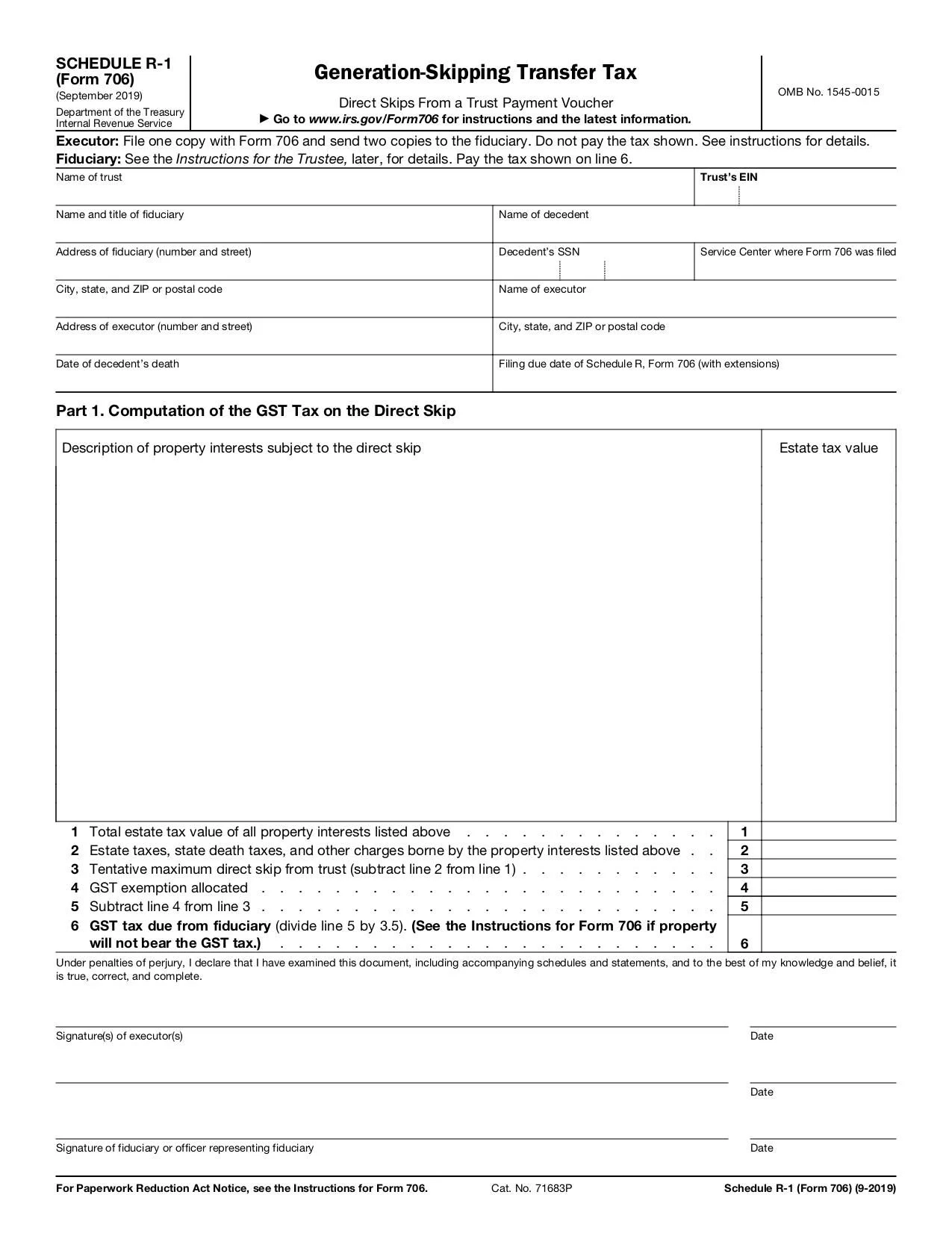
Instructions For Schedule R Of Form 706
Instructions For Schedule R Of Form 706
First, you must list all skip persons who are beneficiaries of the trust or estate. This typically includes grandchildren and others who are more than one generation below the donor. Next, you will need to determine the inclusion ratio, which is based on the relationship of the skip person to the donor.
After calculating the inclusion ratio, you can determine the taxable amount subject to the generation-skipping transfer tax. This amount is then used to calculate the tax due, which is reported on Schedule R of Form 706.
It’s important to follow the instructions for Schedule R carefully to ensure accurate reporting and compliance with tax laws. Consulting with a tax professional or estate planning attorney can help you navigate this process and avoid costly mistakes.
By understanding the instructions for Schedule R of Form 706, you can effectively plan your estate and minimize tax liabilities for future generations. Taking the time to complete this form accurately can provide peace of mind knowing that your assets are protected and distributed according to your wishes.
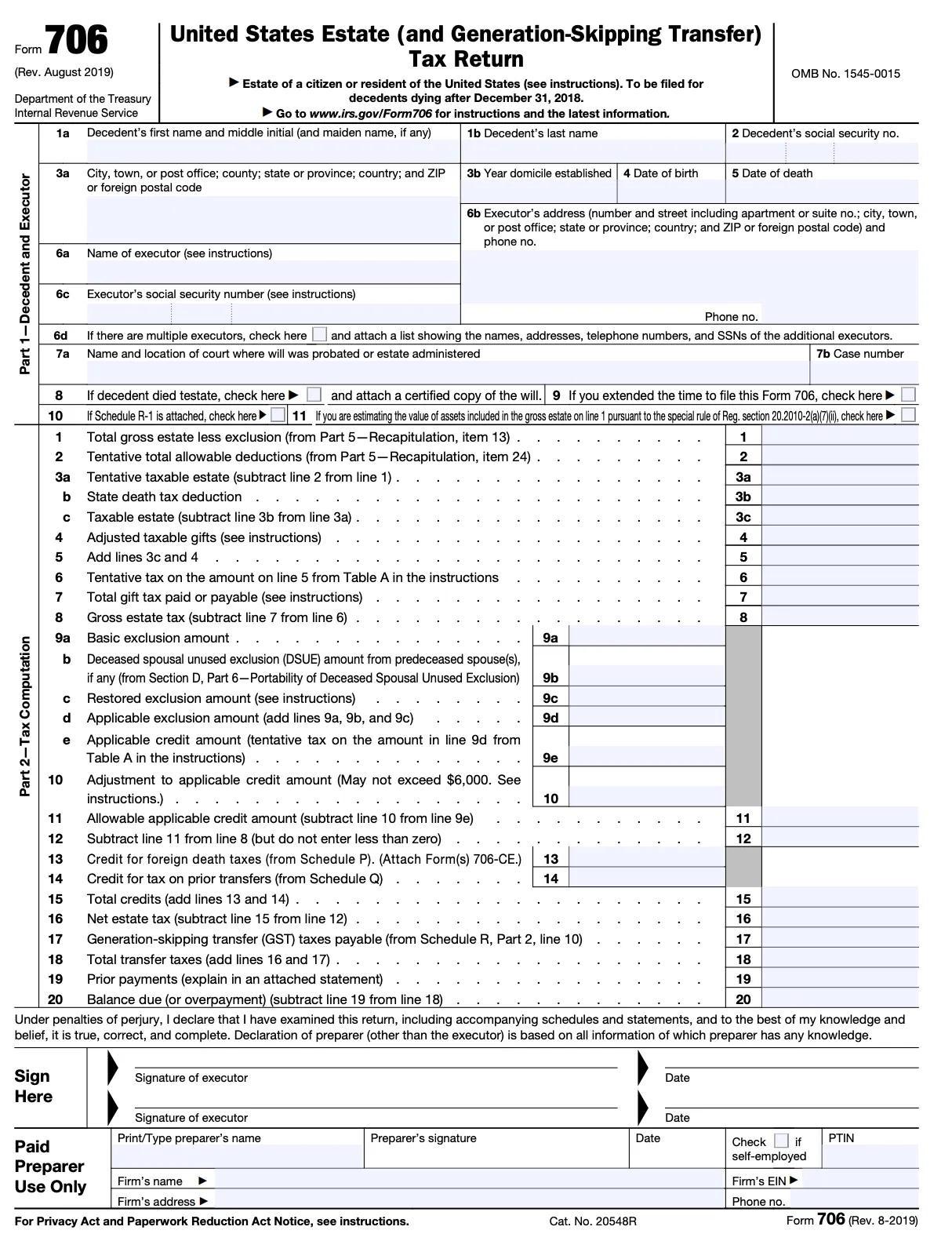
Instructions For Filling Out Form 706 A Complete Guide Pilot Blog
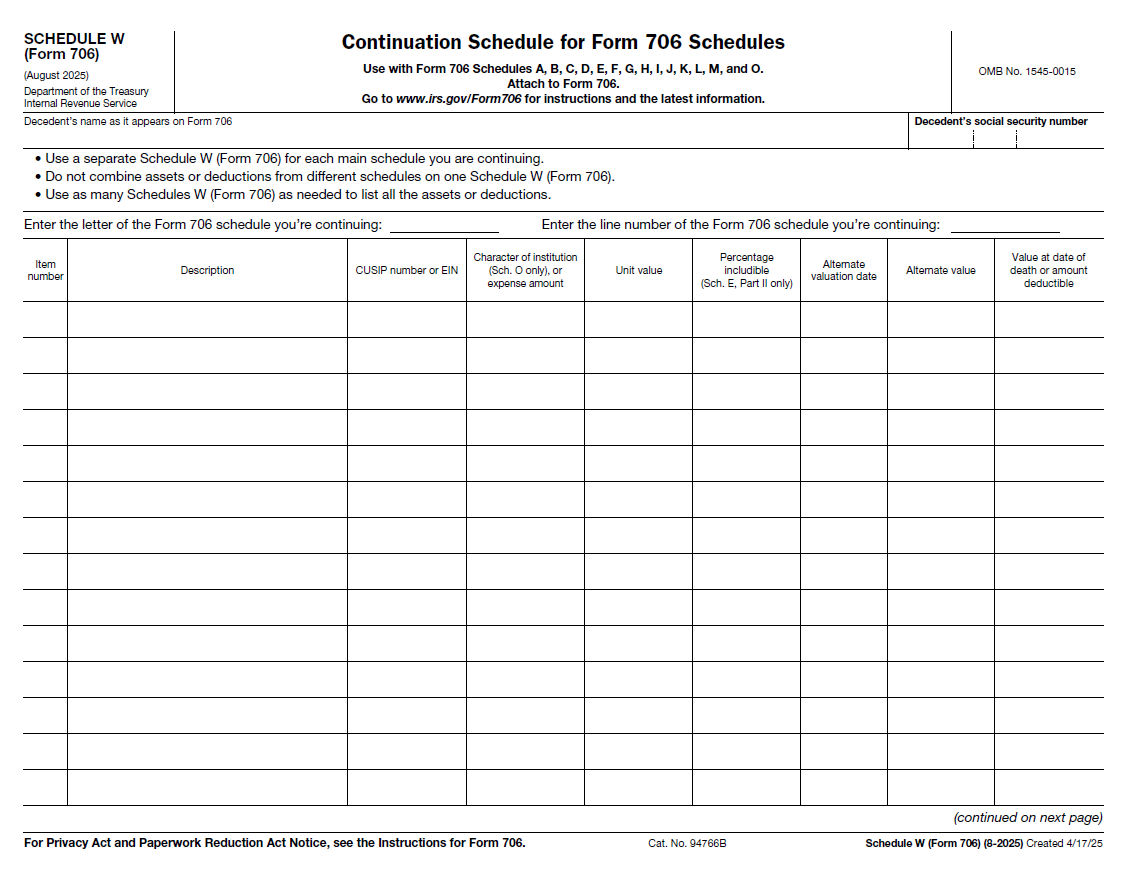
2025 Changes To IRS Form 706 By Griffin Bridgers
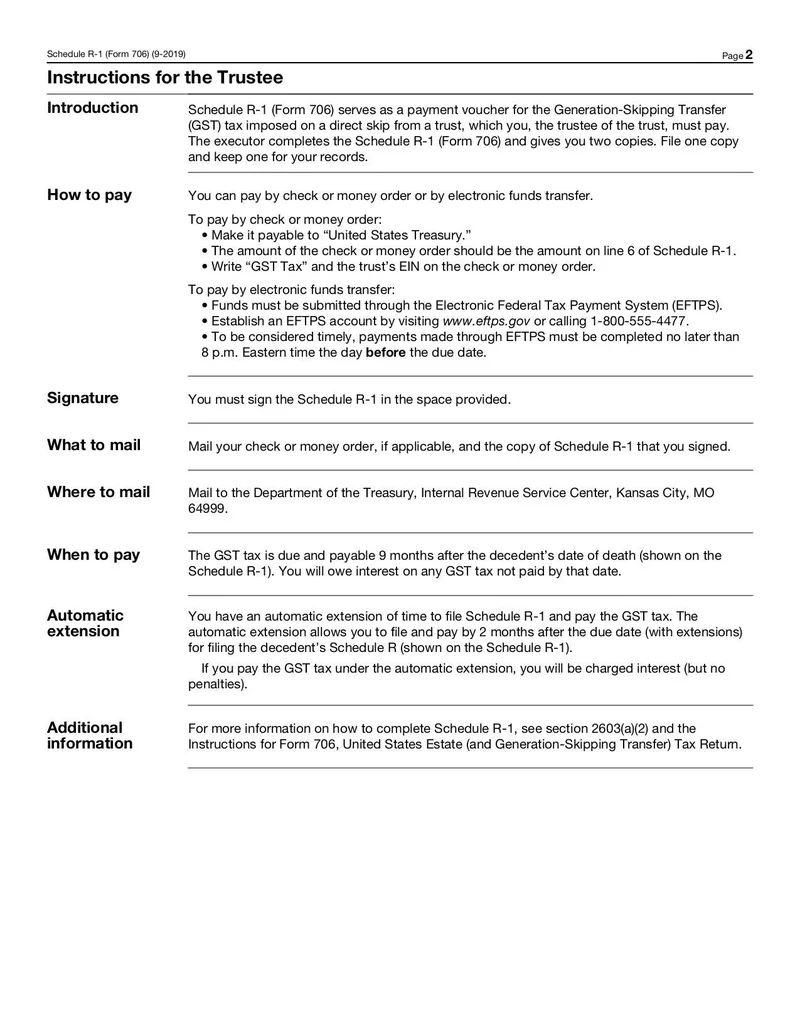
Schedule R 1 Form 706 Accessible Fill And Sign Online With Lumin