
Are you a truck owner or operator looking to file your 2290 forms? Filing these forms is essential for staying compliant with IRS regulations. In this article, we will guide you through the process of filing 2290 forms.
Before we dive into the details, it’s important to understand the significance of filing 2290 forms. These forms are used to report and pay the federal excise tax on heavy highway vehicles. By filing these forms, you are ensuring that you are meeting your tax obligations and avoiding any penalties.
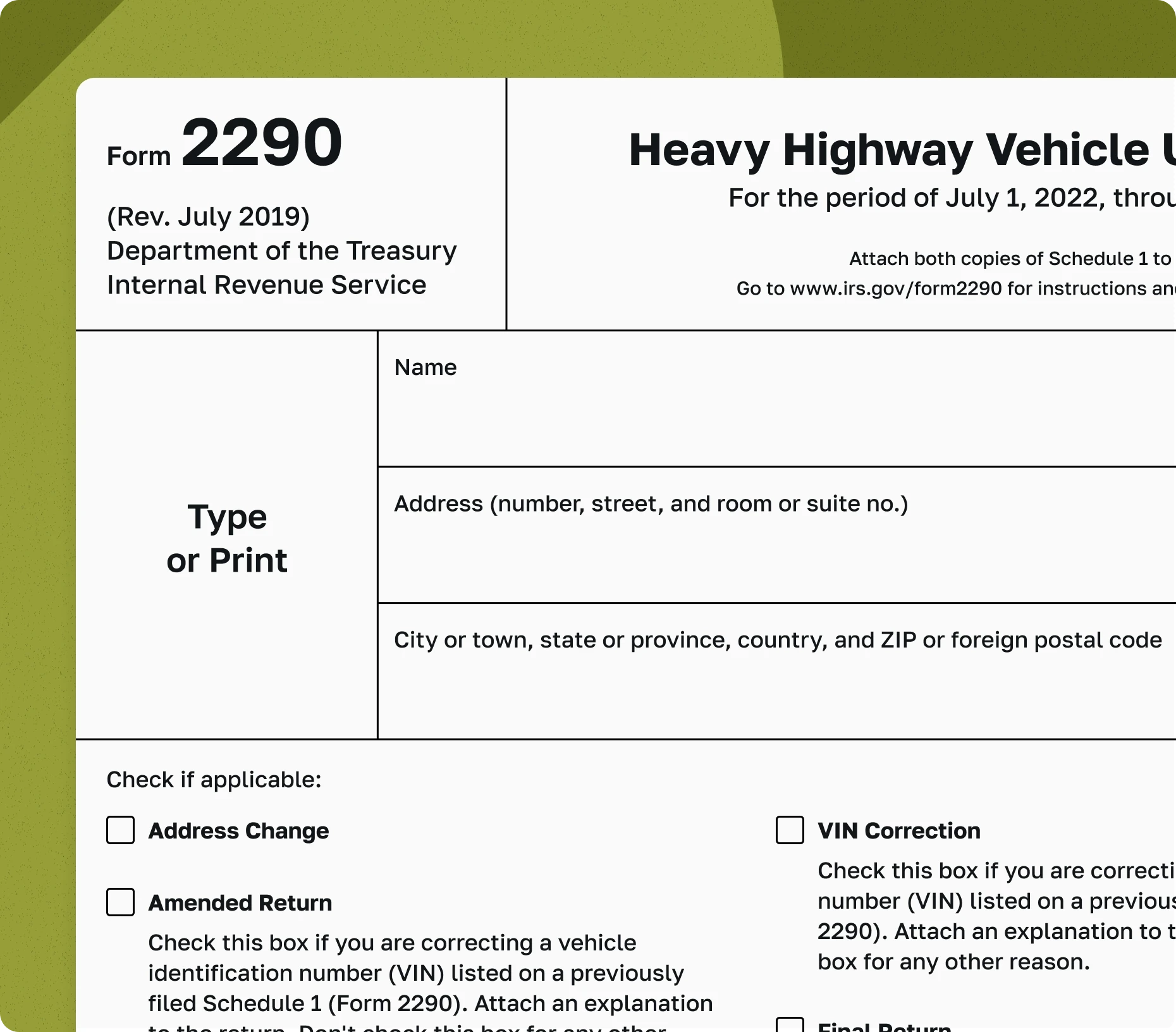
How To File 2290 Forms
How To File 2290 Forms
First, you will need to gather all the necessary information, including your Employer Identification Number (EIN), vehicle details, and the gross weight of each vehicle. Once you have this information, you can choose to file your 2290 forms electronically or by mail.
If you decide to file electronically, you can use an IRS-approved e-file provider. This method is quick, easy, and secure. Simply follow the instructions provided by the e-file provider and submit your forms online. If you prefer to file by mail, you can download the form from the IRS website, fill it out, and mail it to the address provided.
After you have submitted your 2290 forms, you will need to pay the federal excise tax. The amount of tax owed will depend on the weight of your vehicle. Once you have paid the tax, you will receive a stamped Schedule 1 form, which serves as proof of payment. Keep this form for your records and provide a copy to your state’s Department of Motor Vehicles.
In conclusion, filing 2290 forms is a crucial part of being a responsible truck owner or operator. By following the steps outlined in this article, you can ensure that you are meeting your tax obligations and avoiding any penalties. Remember to file your forms on time to stay compliant with IRS regulations.
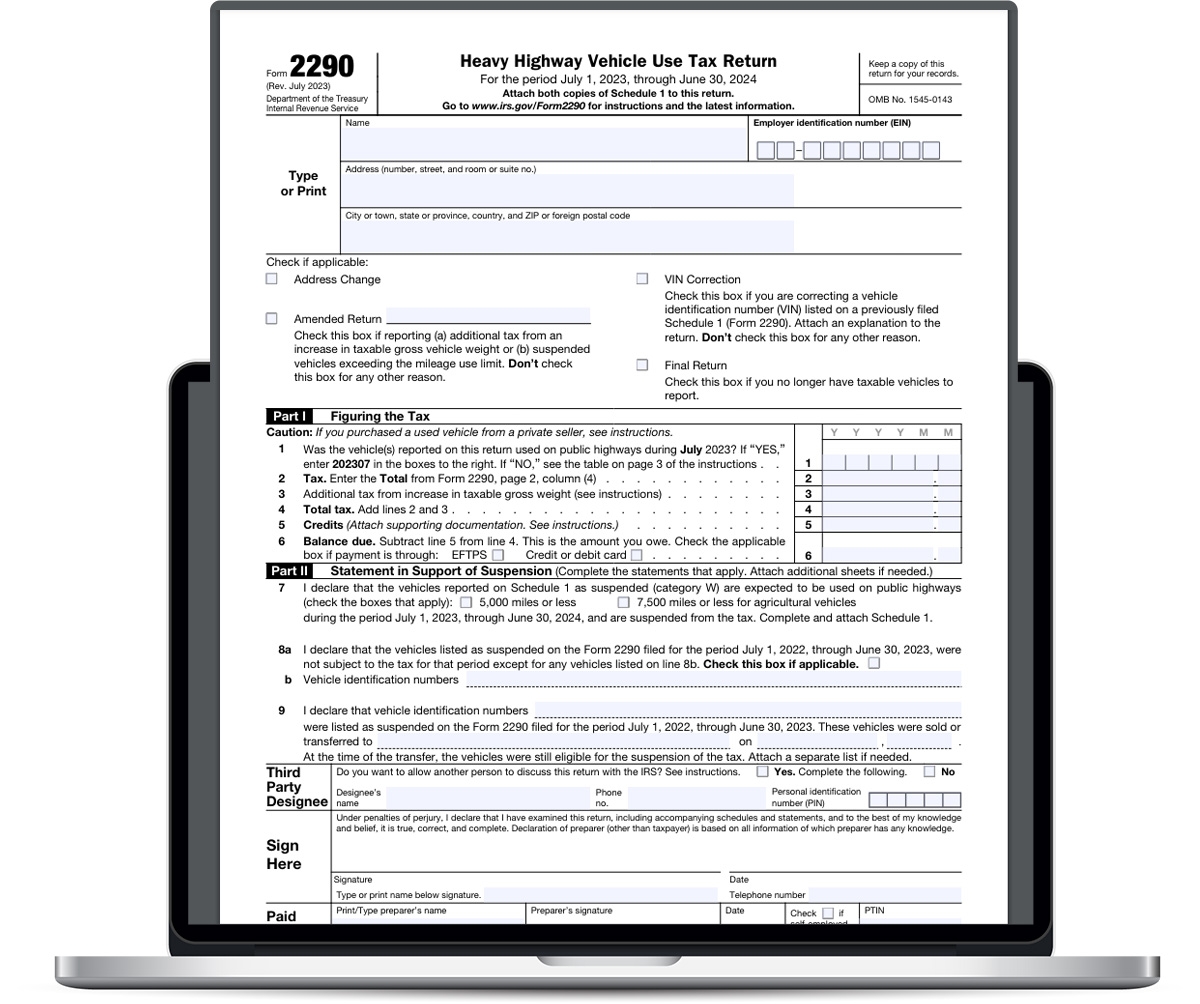
Significance Of Form 2290 Schedule 1 In Trucking
Learn How To Fill The Form 2290 Internal Revenue Service Tax
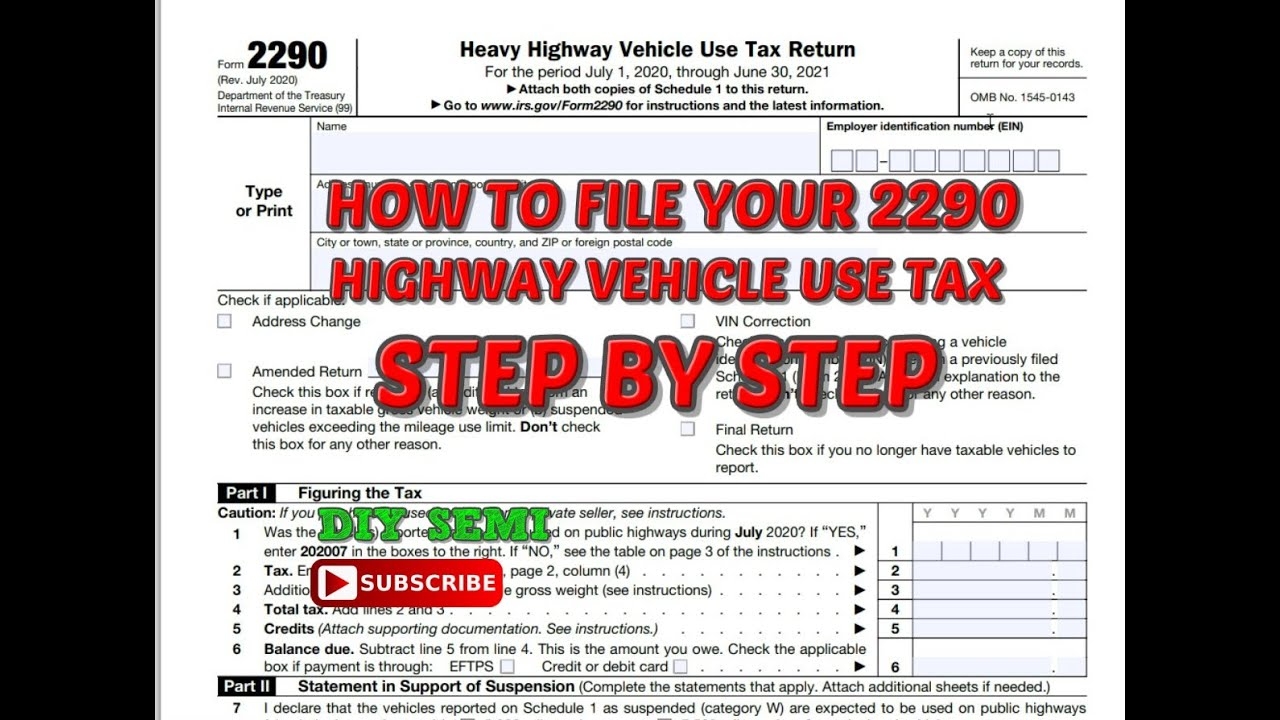
How To File Your Own IRS 2290 Highway Use Tax Step By Step Instructions