
Are you a small business owner or an employee benefit plan administrator looking for information on IRS Form 5500? You’ve come to the right place! Form 5500 is a key document that must be filed annually by most employee benefit plans.
Whether you’re new to Form 5500 or just need a refresher, understanding its requirements and deadlines is crucial. Failure to file Form 5500 can result in hefty penalties, so it’s important to stay on top of your compliance obligations.
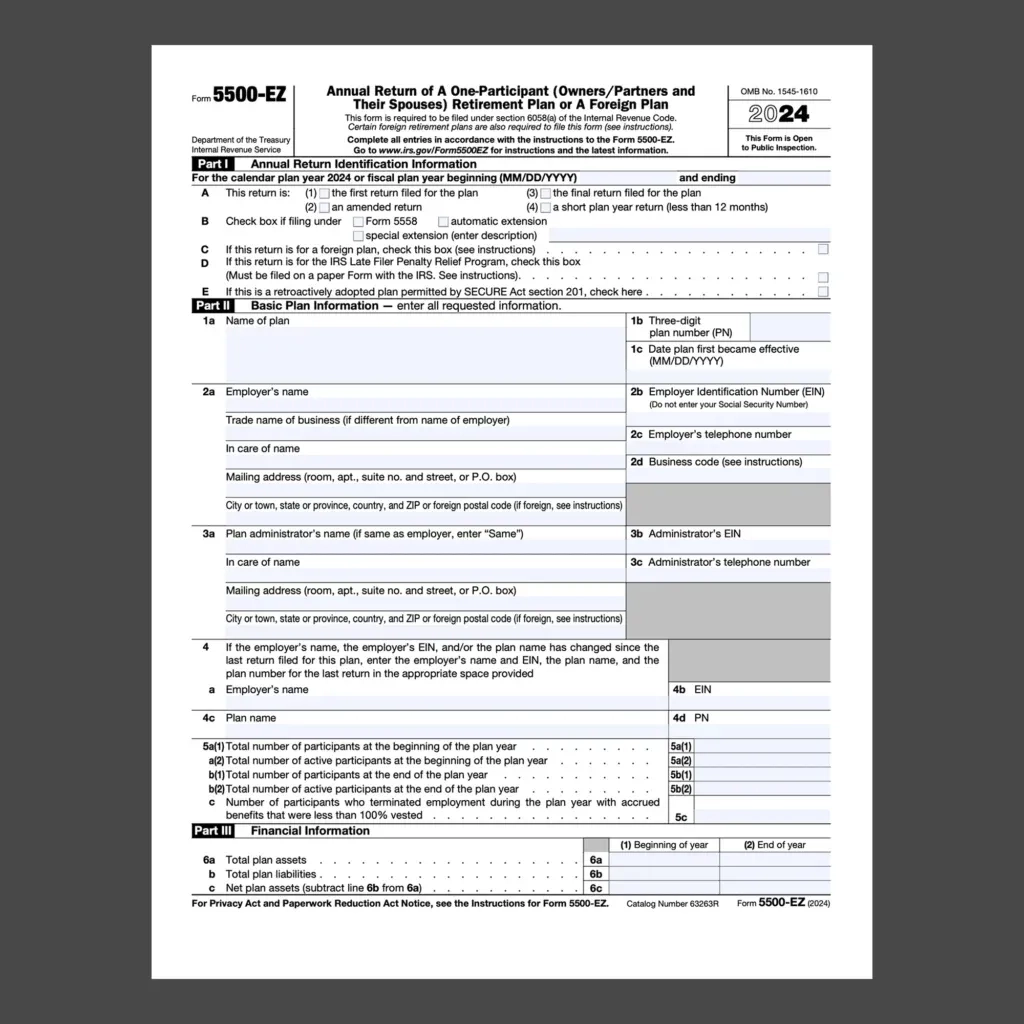
Irs Form 5500
What is IRS Form 5500?
IRS Form 5500 is a tax document that provides information about employee benefit plans, including health insurance, retirement, and welfare plans. It helps the IRS and Department of Labor monitor plan compliance and ensure that participants’ rights are protected.
Form 5500 must be filed annually by most plans subject to the Employee Retirement Income Security Act (ERISA). This includes plans with 100 or more participants, as well as certain smaller plans. The form collects data on plan assets, contributions, expenses, and participant demographics.
To file Form 5500, you’ll need to gather information about your plan, including financial statements, participant counts, and other relevant data. The form is typically due seven months after the end of your plan year, with the option to file for an extension if needed.
In conclusion, IRS Form 5500 is a critical document for employee benefit plans, ensuring transparency and compliance with federal regulations. By understanding its requirements and deadlines, you can avoid costly penalties and keep your plan in good standing with the IRS and Department of Labor.
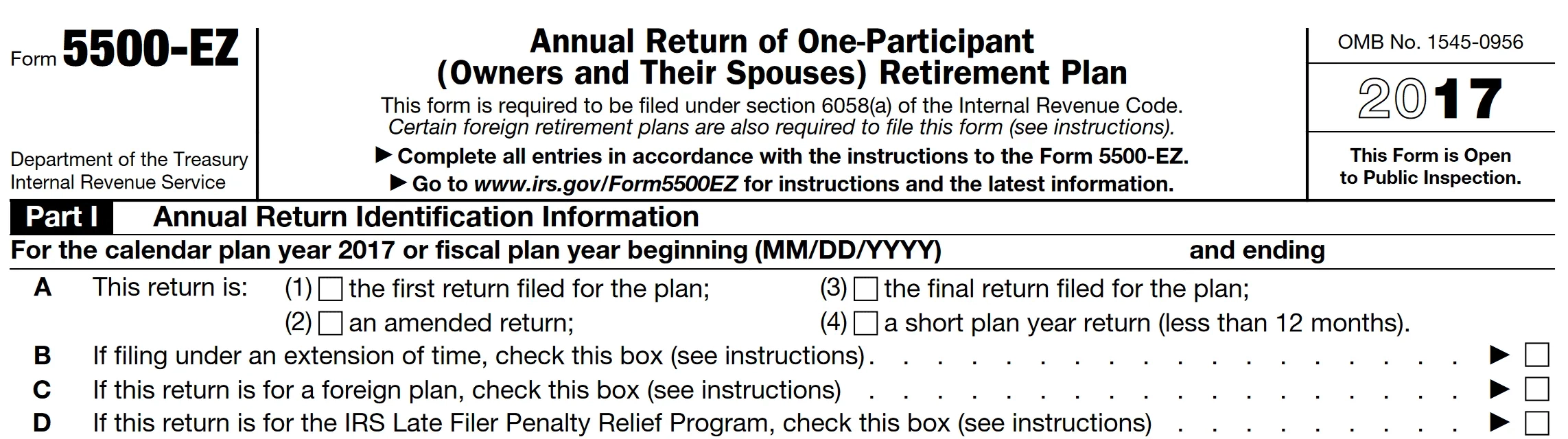
Form 5500 EZ Instructions Complete Your Form In A Few Easy Steps
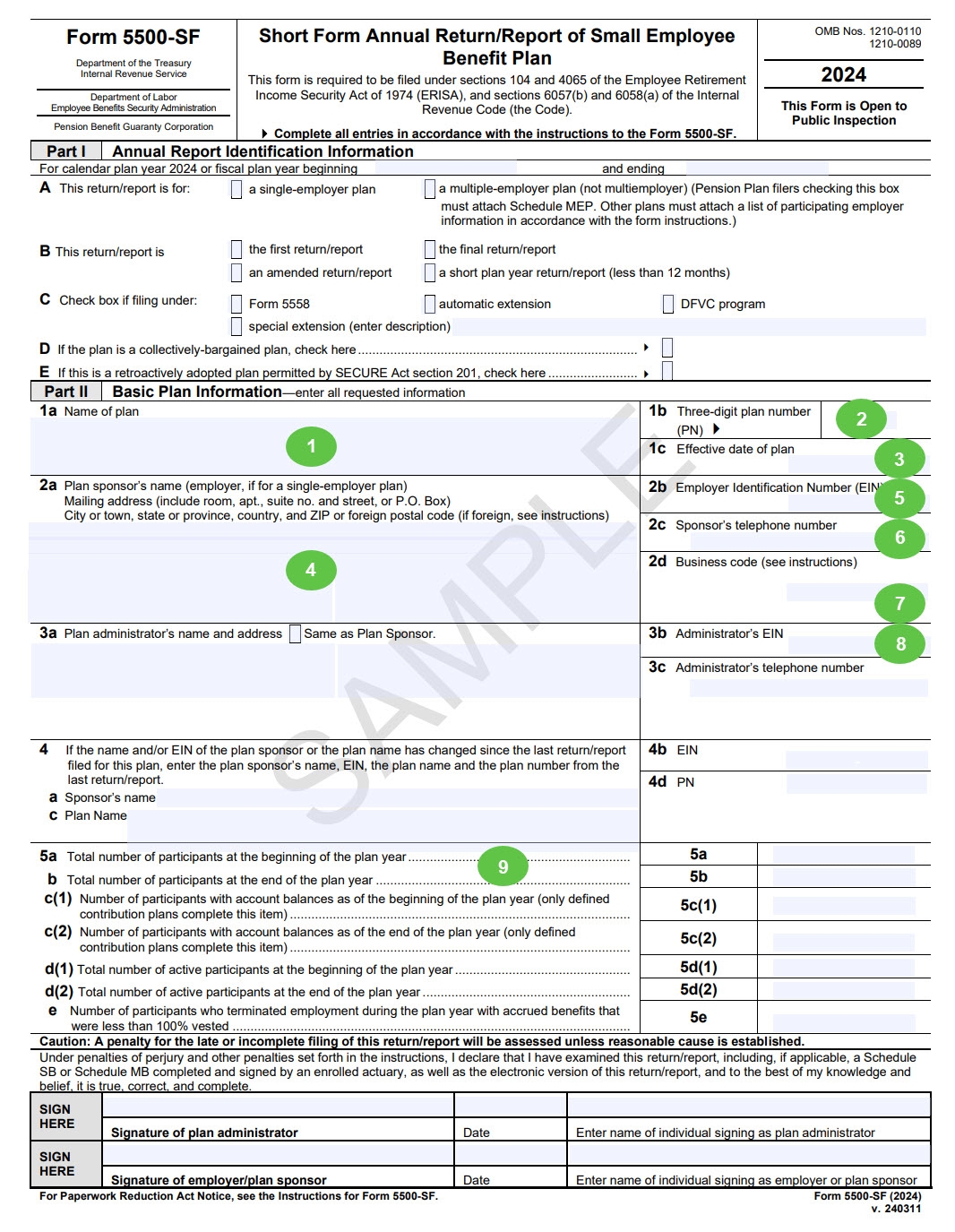
Form 5500 Information Guide amp FAQs Fidelity Investments
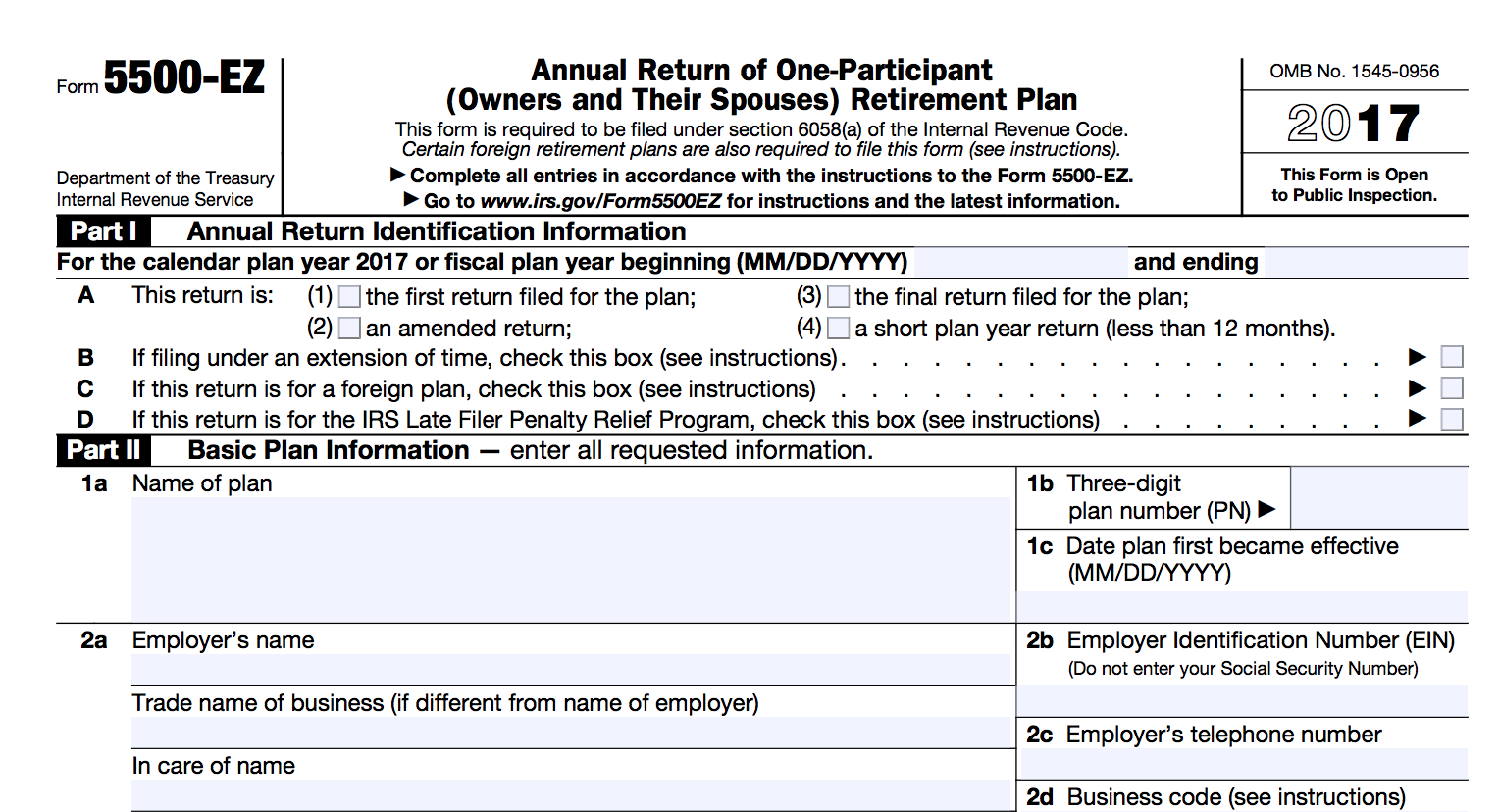
Form 5500 EZ 2017 Updated Guide Solo 401k