
Are you wondering about the tax implications of receiving over $10,000 in cash? It’s essential to understand the reporting requirements and potential consequences. Let’s delve into the details to help you navigate this situation smoothly.
Receiving a large sum of cash can trigger certain reporting obligations to the IRS. If you’ve received over $10,000 in cash in a single transaction or multiple related transactions, you may need to file Form 8300 to report the income.

Tax Form Over 10000 Cash
Tax Form Over 10000 Cash
Form 8300 is used to report cash payments over $10,000 received in the course of your trade or business. The purpose of this form is to help prevent money laundering and other illegal activities by tracking large cash transactions.
When filling out Form 8300, you’ll need to provide details about the cash payments received, including the amount, date, and nature of the transaction. It’s crucial to accurately report this information to avoid any potential penalties or audits.
Failure to file Form 8300 when required can result in hefty fines and penalties from the IRS. By staying compliant with reporting requirements, you can avoid unnecessary headaches and ensure that your financial transactions are above board.
In conclusion, if you receive over $10,000 in cash, make sure to familiarize yourself with the reporting requirements and file Form 8300 if necessary. By staying informed and proactive, you can navigate this situation with confidence and peace of mind.
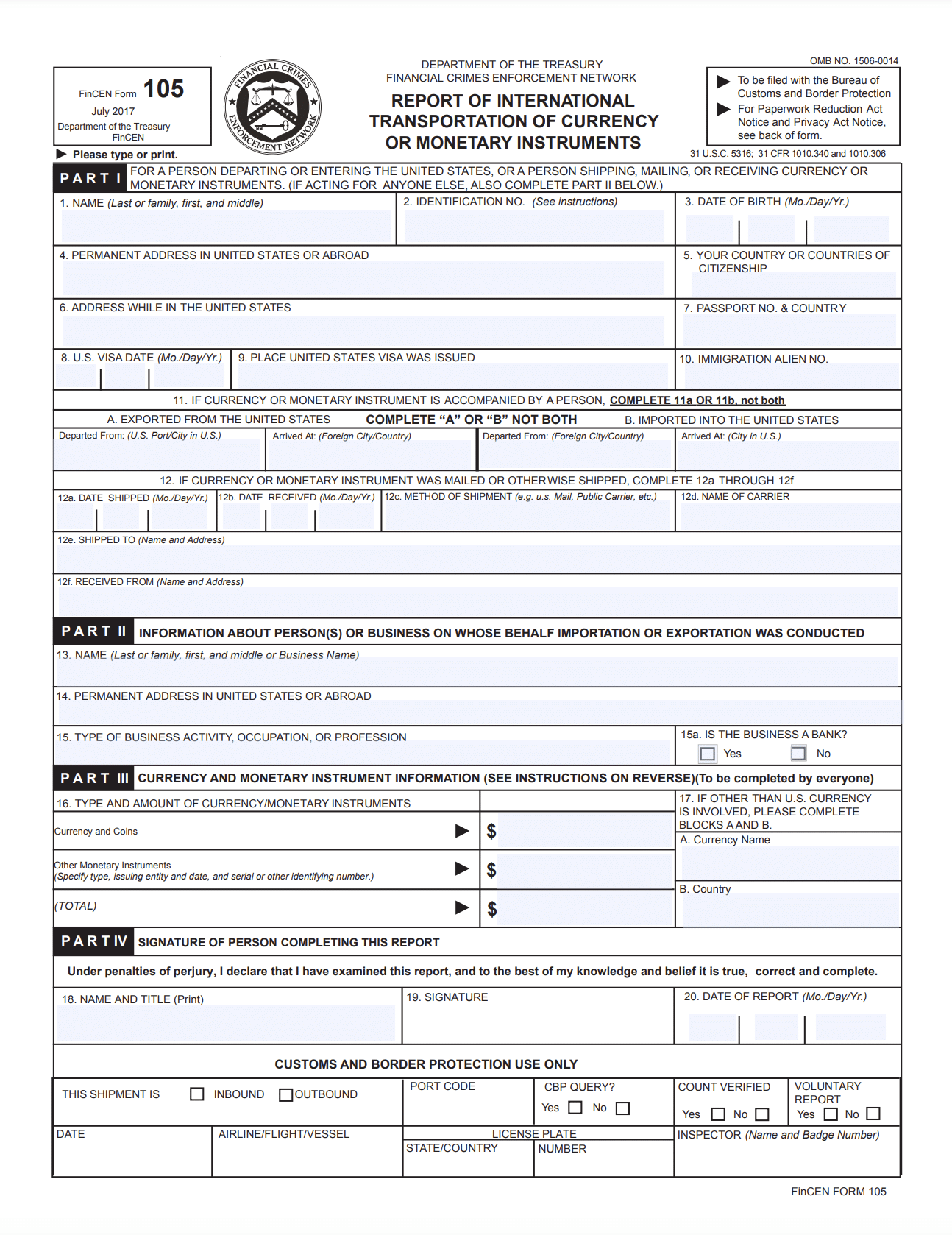
FinCEN Form 105 Transportation Of Currency International Tax
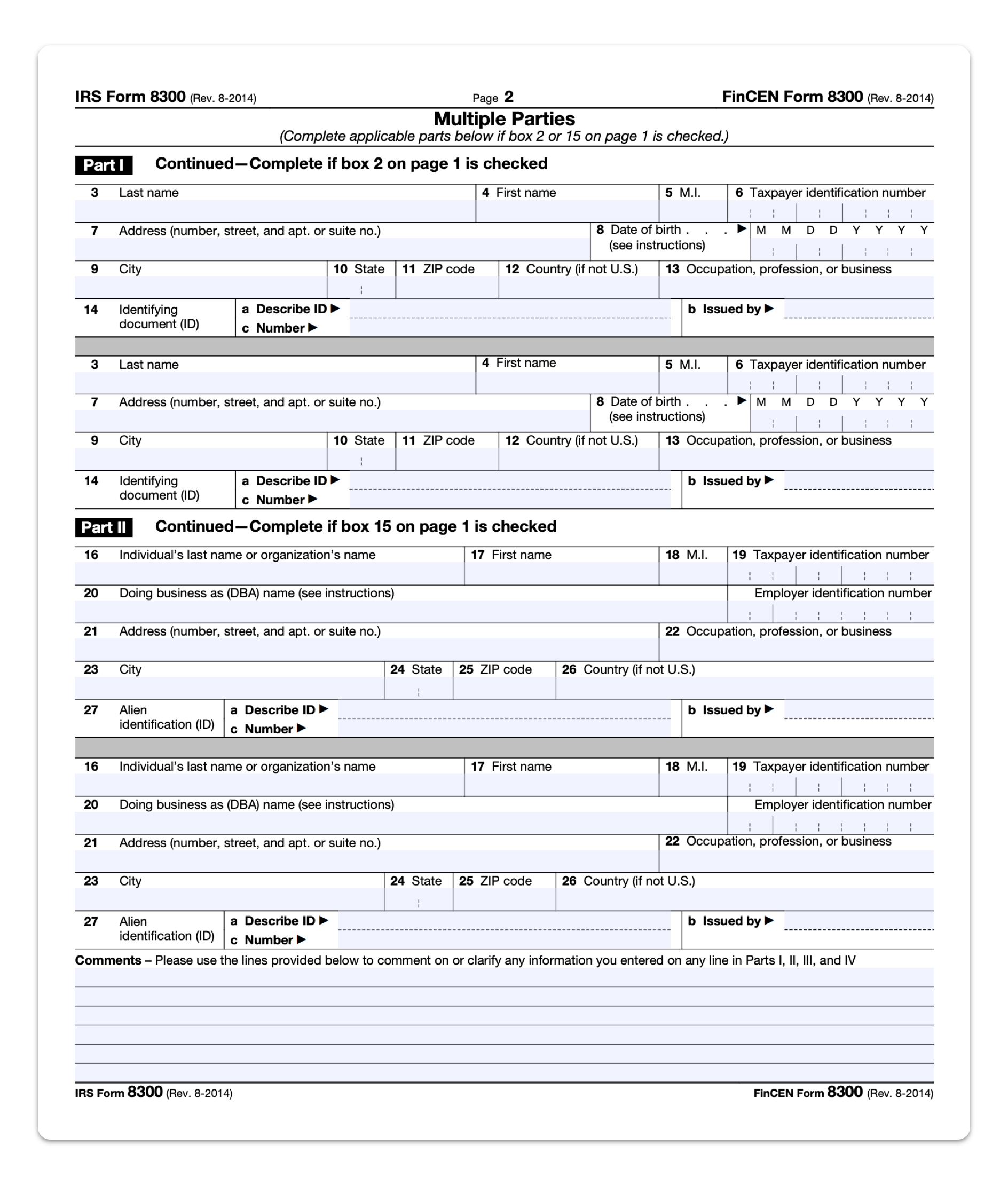
What Is Form 8300 And How Do You File It Hourly Inc
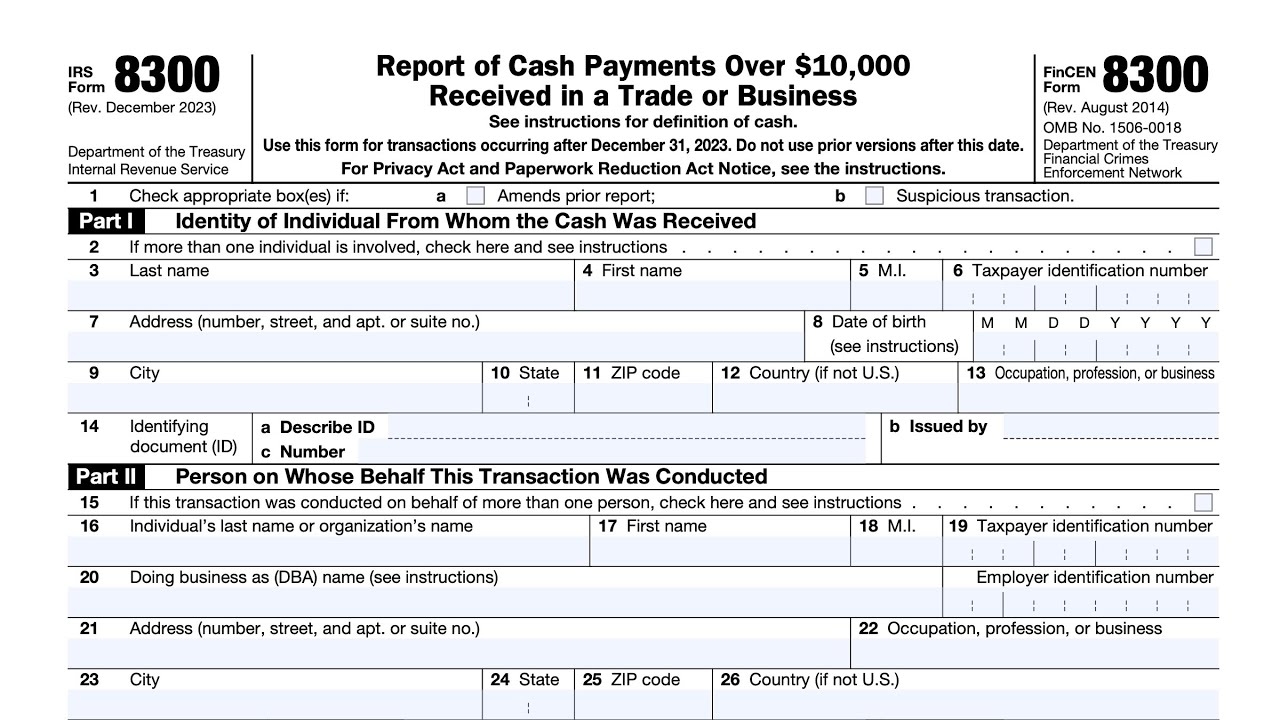
IRS Form 8300 Walkthrough Reporting Cash Payments Over 10 000